
The Smart Way to Track and Manage Your Expenses

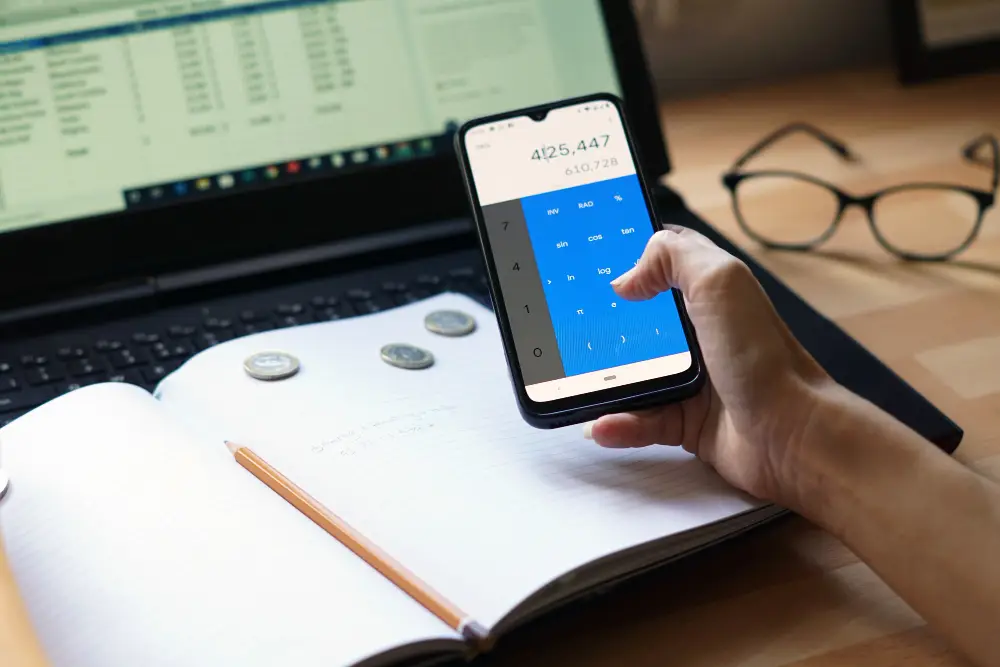
Person using a smartphone calculator to track expenses in a notebook beside coins and a laptop—smart budgeting setup for 2025.
20+ Smart Ways to Track Expenses and Master Your Budget in 2025

20+ Smart Ways to Track Expenses and Master Your Budget in 2025

By Fin | FinHacksFix

Why Expense Tracking Changed My Financial Life

In 2025, managing your money wisely is more important than ever. Rising costs, digital subscriptions, and lifestyle inflation can quietly drain your income. That’s why tracking your expenses isn’t just a budgeting habit—it’s a powerful tool for financial clarity and freedom.

In this guide, I’ll share exactly how I track my expenses, what tools I use, and the key shifts that made it simple and effective.

1. Start With a Simple System

You don’t need to be a finance expert to track your spending—you just need a system that’s easy to stick to. I started by listing every expense in a Google Sheet. One column for the amount, another for the category, and one for the date. That’s it. This no-pressure approach helped me build awareness of where my money was going without feeling overwhelmed or judged.

2. Use One App and Stick With It

There are tons of expense trackers out there, but switching between too many only creates confusion. I tested a few and committed to one: Monarch Money (but you could use YNAB, EveryDollar, or Goodbudget). The key is to choose one that syncs with your bank, categorizes transactions easily, and feels enjoyable to use—because consistency wins.

3. Create Categories That Match Your Life

Don’t rely on default app categories. I customized mine to reflect how I really spend: Rent, Food, Tools, Fun, Fitness, Subscriptions, and Unexpected. This made reviewing my spending more intuitive and relevant. When you label your money your way, you’re more likely to actually review and reflect on it.

4. Track Weekly, Not Just Monthly

Monthly reviews are great, but waiting 30 days to see overspending is too late. I added a short check-in every Friday—15 minutes to review the week’s spending and adjust before things spiral. This habit saved me from impulse purchases and helped me stay on track without guilt.

5. Set a Monthly “Awareness Budget”

Before I created a strict budget, I spent one month just tracking without changing anything. This gave me a clear picture of what I was really spending—and where I was overspending. This step built awareness without stress, which made it easier to shift into a sustainable plan the next month.

6. Link Spending to Specific Goals

Instead of just tracking numbers, I started labeling expenses by goals. For example: “$80 — groceries (health),” or “$30 — gym (fitness).” This made spending feel intentional and kept me emotionally connected to where my money was going. Try asking: “Does this expense align with something I care about?” You’d be surprised how much that shifts your mindset.

7. Use Cash for Problem Areas

When I noticed I kept overspending on eating out, I switched to using physical cash just for that category. Seeing the money leave my hand was a game changer—it made me more thoughtful with each purchase. Digital payments are convenient, but cash brings awareness. Try it for categories where you struggle to stay in control.

8. Color-Code for Clarity

Color-coding your expenses by category (in apps or spreadsheets) makes patterns stand out. You’ll instantly see where most of your income is going—and where you’re creeping into overspending. I use red for non-essential splurges, green for essentials, and blue for investments. It’s visual, simple, and effective.

9. Include Irregular Expenses

One mistake I made early on was forgetting about non-monthly bills—car maintenance, birthdays, subscriptions, annual renewals. Now, I track these in a separate “sinking fund” section and average them out monthly. This prevents those surprise expenses from wrecking my budget or forcing me into panic mode.

10. Celebrate the Wins

Tracking expenses isn’t just about restriction—it’s about empowerment. I now celebrate every month I stay within limits, invest more than I spend, or avoid impulse buys. That positive reinforcement makes the habit stick. Find your own reward system—even if it’s just a moment of gratitude or sharing your win with a friend. Progress deserves recognition.

11. Review Subscriptions Quarterly

Subscriptions are the silent budget killers. Every quarter, I do a “subscription audit” to check what’s still useful. I cancel anything I haven’t used in the last 30 days unless it’s mission-critical. This habit alone saved me over $300 last year. Set a calendar reminder—your wallet will thank you.

12. Use a Visual Dashboard

Seeing your spending in chart form makes a big difference. I use Google Sheets with pie charts and bar graphs for a monthly summary. Many apps also offer dashboards—use them! Visuals make it easier to explain your finances to yourself (or a partner) and spot trends before they become problems.

13. Automate What You Can

I’ve automated bill payments, savings transfers, and even a weekly expense export from my app. This keeps my tracking clean, reduces stress, and protects me from forgetting something important. Less manual effort = more consistency and fewer missed steps.

14. Compare Months Side by Side

One of the most eye-opening things I did was compare my spending across months. I created a sheet with January to December columns and reviewed how each category shifted. This helped me set more realistic budgets and identify seasonal expenses I hadn’t noticed before.

15. Make Tracking a Ritual, Not a Chore

Lastly, I turned my Friday money review into a ritual. I light a candle, play chill music, and take 15 minutes to check in on my money. It’s quick, calming, and now something I actually look forward to. When money habits feel good, they become automatic. Build a vibe around it—you won’t regret it.

16. Track Emotional Spending Patterns

Not all expenses are logical—some are emotional. I started noting my mood when I made spontaneous purchases. It helped me realize I often spent out of boredom, stress, or FOMO. Now I pause before spending and ask: “What am I feeling right now?” That one question has saved me hundreds—and helped me grow more self-aware.

17. Keep a Low-Spend Weekend Every Month

Once a month, I plan a “no-buy” or low-spend weekend. I cook at home, use public parks, and revisit free activities I love. It’s refreshing—and makes me realize how often I spend just for convenience or distraction. These weekends help reset habits and prove that enjoyment doesn’t have to cost money.

18. Build an Expense Tracking Routine With a Friend

Accountability works. I have a friend who also tracks their money, and we check in once a month. We share wins, frustrations, and goals—no judgment, just support. This connection turned a solo habit into a fun ritual. Plus, we swap tips and app recommendations that actually work.

19. Adjust Budgets Based on Real-Life Feedback

Your first budget won’t be perfect. I stopped expecting mine to be—and started adjusting it monthly based on what’s working. The point isn’t to restrict, it’s to respond. I tweak limits, recategorize items, and stay flexible. That’s what makes it sustainable—not sticking to a number, but adapting with awareness.

20. Combine Digital + Manual Tracking

Apps are great—but sometimes I go old school and write expenses by hand in a notebook for a week. It brings mindfulness and forces me to slow down. The combo of digital ease + analog attention helps me stay in control. Try it for one week—you’ll be amazed how much more aware you become of your spending.

📺 Watch How I Track My Money

Want to see how simple expense tracking can be? In this video, Lily Budgets breaks down her monthly process in a clear, beginner-friendly way. It’s perfect if you’re ready to take control of your spending with confidence. 🎥 Watch now: Budget With Me | My Monthly Budget Breakdown | Lily Budgets
 

Leave a Comment

Your email address will not be published. Required fields are marked *